
Few skincare frustrations match the sudden, uncomfortable arrival of a painful bump right after you have spent time trying to achieve a perfectly smooth surface. Whether you are dealing with a rough texture on your legs, a sensitive bikini line, or persistent irritation under your arms, ingrown hairs are an absolute mood dampener. Many well-meaning individuals try to fix these blemishes by aggressively scrubbing the area or using tweezers, which frequently escalates a simple clogged follicle into a dark scar or a deep tissue infection.
Achieving a flawless, bump-free texture requires understanding the biological loop that causes these hairs to get trapped in the first place. When cellular buildup blocks the exit point of a follicle, or when a hair is cut at an awkward angle, it curls backward into the surrounding tissue instead of growing straight out. By pairing smart preventative habits with targeted professional innovations, you can safely disrupt this frustrating cycle and reveal the sleek, comfortable skin you deserve.
The True Anatomy of a Trapped Hair
To permanently banish these bothersome bumps, we have to look past the superficial swelling and examine the dermis. Your hair follicles are surrounded by delicate tissue and protected by the stratum corneum, your skin’s outermost layer. When your body sheds dead skin cells at a sluggish pace, these cellular remnants stack up like a physical barrier over the opening of the pore.
Traditional grooming methods like shaving and waxing often make this worse. A razor blade slices the hair at a sharp, slanted edge, which easily catches onto the surrounding tissue as it tries to re-emerge. Waxing pulls the strand from the root, but if the shaft breaks below the surface, the weak new growth struggles to pierce through the top layer, resulting in a trapped, inflamed cyst.
Smart Exfoliation Methods That Work Without Irritation
The most crucial step in keeping the pathways clear is uniform exfoliation, but the type of exfoliation you choose matters immensely. Aggressive physical scrubs containing large granules can create microscopic tears in the delicate lipid barrier, triggering inflammation that narrows the follicle opening even further.
Instead, professional estheticians recommend utilizing chemical exfoliants like salicylic and lactic acids. Salicylic acid is oil-soluble, meaning it can travel deep inside the pore to dissolve the sebum and dead cells that bind trapped hairs. Lactic acid works on the surface to gently melt away rough buildup while simultaneously pulling moisture into the tissue, keeping the skin soft and pliable so hair can emerge cleanly.
Upgrading Your Daily Grooming Rituals
If you choose to continue using manual shaving methods, small adjustments to your technique can dramatically lower the frequency of irritation. Always discard dull blades, as a blunt edge tugs and stretches the hair shaft rather than cutting it cleanly. Shaving in a warm shower allows the steam to soften the hair cuticles, making them significantly easier to sever without causing stress to the root.
Furthermore, always glide your razor in the natural direction of the hair growth rather than pulling against it. While shaving against the grain might feel like it delivers a slightly closer result in the moment, it forces the remaining tip to drop below the skin line, virtually guaranteeing a fresh crop of ingrown bumps by the following afternoon.
The Esthetician’s Guide: Never squeeze an inflamed bump like a blemish. Pressing down on an ingrown hair pushes the bacteria deeper into the dermal matrix, creating hyperpigmentation that can take months to fade.
Stopping Follicle Irritation at the Direct Source
While topical acids and careful shaving habits offer excellent maintenance, they are ultimately temporary solutions for a structural problem. For individuals who want to eliminate the issue permanently, the most reliable approach is to shut down the hair factory altogether. By targeting the follicle directly, you stop the growth cycle before a strand can ever become trapped.
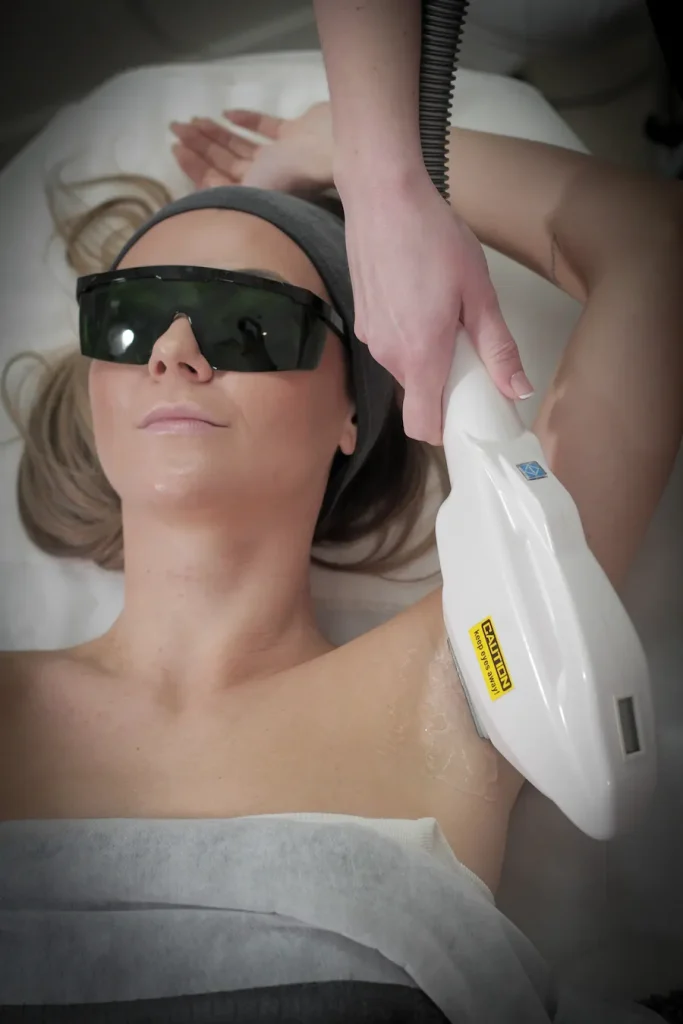
This direct approach is especially life-changing for highly reactive, friction-prone areas like the armpits. If you are tired of daily razor burn and persistent shadow texture, pursuing a series of Underarm Laser Hair Removal sessions provides a highly sophisticated answer. Modern aesthetic lasers deliver light energy that absorbs into the melanin of the root, gently neutralizing the follicle’s ability to produce hair while keeping the surrounding sensitive skin completely calm and smooth.
Post Session Care to Maintain Softness
Once you have cleared away dead surface cells or completed a professional energy treatment, protecting the vulnerable tissue is essential for preventing secondary irritation. Freshly treated skin requires soothing, anti-inflammatory support rather than heavy, occlusive body butters that can suffocate the pores. Piling thick oils onto raw follicles can quickly trap lingering bacteria inside.
Opt for lightweight, non-comedogenic lotions containing pure aloe vera, niacinamide, or tea tree oil to calm active redness. Niacinamide is fantastic because it strengthens the lipid barrier while fading the dark spots left behind by previous ingrown hairs. Keeping the tissue properly hydrated ensures it remains flexible, allowing any remaining fine strands to emerge effortlessly without getting trapped.
Embracing a Smooth and Friction Free Future
Banishing stubborn ingrown hairs does not require harsh picking or constant frustration. By combining smart chemical exfoliation with disciplined shaving habits and advanced clinical treatments, you can easily restore a sleek, touchable texture to any area of your body. Taking control of your skin texture allows you to feel entirely comfortable in your own skin without the daily stress of concealment. Connect with a licensed aesthetic professional today to complete a detailed analysis, explore the specialized reduction therapies that match your anatomy, and step into the lasting confidence of flawlessly smooth skin.