
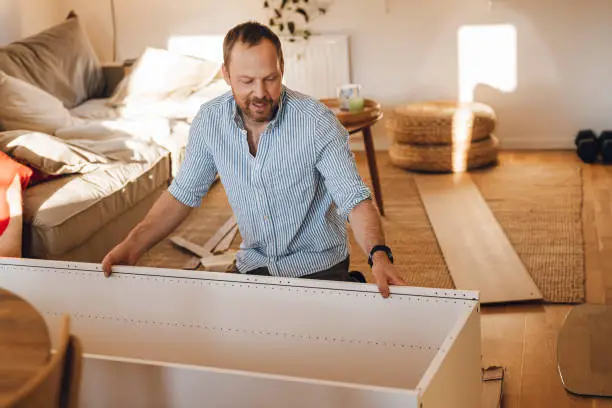
Built in wardrobes have completely transformed the way modern homes handle storage. Gone are the days when bulky standalone cupboards dominated bedrooms and wasted valuable floor space. Today, homeowners want furniture that blends seamlessly into the room while delivering maximum functionality. That is exactly where built in wardrobes shine. They are sleek, customized, practical, and capable of turning even the most awkward corner into useful storage. Whether you live in a compact apartment or a luxury villa, a well-designed built in wardrobe can instantly improve both aesthetics and organization.
The popularity of built in wardrobes has surged in recent years as more people prioritize minimalist interiors and smart storage solutions. According to recent market reports, the global built-in closet market is expected to grow steadily through 2033, driven by increasing urbanization and demand for customized home interiors. Experts also note that smart storage systems, eco-friendly materials, and modular wardrobe designs are becoming major industry trends. This rise in popularity is not surprising. People are tired of cluttered spaces and furniture that does not fully utilize available room dimensions.
What makes built in wardrobes especially attractive is their flexibility. They can be tailored to fit your lifestyle perfectly. Need extra hanging space for suits? More drawers for accessories? Hidden compartments for valuables? Everything can be customized. It is almost like designing your own personal storage ecosystem. Instead of forcing your belongings to fit into standard furniture sizes, built in wardrobes adapt themselves around your needs. That level of personalization creates a sense of luxury while also improving daily convenience.
What Are Built In Wardrobes?
Built in wardrobes are custom-designed storage units that are permanently installed into a room’s structure. Unlike freestanding wardrobes that can be moved around, these wardrobes are fitted directly into walls, alcoves, or corners to maximize every inch of available space. Think of them as architectural features rather than standalone furniture pieces. They often stretch from floor to ceiling, creating a streamlined and elegant appearance that blends naturally with the room’s interior design.
One of the biggest reasons people invest in built in wardrobes is efficiency. Traditional wardrobes usually leave awkward gaps above or beside the unit where dust accumulates and valuable space goes unused. Built in wardrobes eliminate that problem completely. Every centimeter is intentionally designed for storage. This becomes especially important in urban apartments where space is limited and homeowners need smarter organization systems. A compact room can suddenly feel larger and more functional simply because storage has been integrated intelligently.
Interior designers are also embracing built in wardrobes because they help create visual harmony. Modern design trends in 2026 emphasize seamless interiors, hidden storage, and clean lines. Experts predict that personalized built-in bedroom storage with tactile materials and integrated lighting will continue dominating interior trends this year. Instead of furniture feeling separate from the room, the wardrobe becomes part of the architecture itself. That creates a more polished and sophisticated atmosphere.
How Built In Wardrobes Differ From Freestanding Wardrobes
The difference between built in wardrobes and freestanding wardrobes is like comparing a tailored suit to an off-the-rack jacket. Freestanding wardrobes come in standard sizes and styles, which means they may not perfectly fit your space or needs. Built in wardrobes, on the other hand, are made specifically for your room dimensions and lifestyle requirements. This customization allows homeowners to optimize storage in ways that ordinary furniture simply cannot achieve.
Freestanding wardrobes can also disrupt the visual balance of a room. They often appear bulky and disconnected from surrounding furniture. Built in wardrobes solve that issue by blending into the walls and maintaining a consistent design language. Because they are installed permanently, they create a much cleaner and more luxurious appearance. This is especially valuable in modern minimalist interiors where clutter-free aesthetics are highly desired.
Another major advantage is durability. Built in wardrobes are usually constructed using stronger materials and professional installation methods. They are designed to last for years without wobbling, shifting, or deteriorating like cheaper mass-produced furniture. Many homeowners also appreciate the ability to incorporate advanced features such as soft-close drawers, hidden lighting, pull-out shoe racks, and smart storage accessories that are difficult to integrate into freestanding options.
Why Homeowners Prefer Custom-Fitted Storage
People today want homes that reflect their personality and simplify their routines. Built in wardrobes do exactly that by offering storage tailored to individual lifestyles. A fashion enthusiast may prioritize shelves for handbags and jewelry organizers, while a family with children may focus on practical drawer systems and accessible compartments. The wardrobe becomes more than storage; it becomes a personalized functional zone.
There is also a strong emotional appeal attached to organized spaces. Walking into a bedroom where everything has its place creates a calming effect similar to entering a well-organized luxury hotel suite. Clutter disappears, surfaces stay cleaner, and the room feels larger. That psychological benefit is one reason why homeowners increasingly see built in wardrobes as an investment in lifestyle quality rather than just furniture.
Interestingly, online discussions show that many homeowners debate whether fully custom wardrobes are worth the higher price compared to modular systems like IKEA PAX. Some users prefer hybrid approaches where modular wardrobes are customized with trims and moldings to achieve a built-in appearance at a lower cost. This highlights how valuable the built-in aesthetic has become, even among budget-conscious buyers.
Benefits of Built In Wardrobes
Built in wardrobes offer far more than simple storage. They improve room functionality, enhance visual appeal, and help homeowners maintain organization with less effort. In many ways, they are one of the smartest long-term investments for modern interiors. The combination of aesthetics and practicality explains why they remain one of the most requested features in bedroom renovations today.
Maximizing Small Bedroom Spaces
Small bedrooms often feel cramped because of poorly planned furniture layouts. Freestanding wardrobes can consume unnecessary floor space while leaving unused gaps around them. Built in wardrobes solve this issue by fitting precisely into the room dimensions. They utilize vertical height effectively, making ceiling space functional instead of wasted.
Sliding door wardrobes are especially useful in compact rooms because they eliminate the need for outward-opening doors. This creates smoother movement within the room and makes furniture placement easier. Mirrors can also be integrated into wardrobe doors to reflect light and visually enlarge the space. It is a clever design trick that works surprisingly well in apartments and smaller homes.
Modern homeowners are increasingly drawn toward multifunctional storage solutions that combine practicality with beauty. Recent home storage trends show growing demand for integrated lighting, hidden compartments, and customized layouts designed specifically for urban living. In a world where living spaces are shrinking, smart wardrobes are becoming essential rather than optional.
Improving Home Organization
An organized wardrobe can completely change your daily routine. Instead of wasting time searching for clothes or accessories, everything becomes easy to locate. Built in wardrobes allow for detailed internal customization, including hanging rails, shelves, drawers, tie racks, pull-out baskets, and shoe organizers. Every category of belongings can have its designated space.
This level of organization reduces stress significantly. Imagine starting your morning without digging through messy piles of clothes or struggling to find matching shoes. It sounds simple, but small improvements like these create smoother daily experiences. Organized storage also helps protect clothing from wrinkles, dust, and damage, extending the life of your wardrobe collection.
People often underestimate how much visual clutter affects mental clarity. A messy room can feel mentally exhausting even if you are not consciously thinking about it. Built in wardrobes help eliminate that chaos by hiding storage behind elegant doors and maintaining a clean overall appearance. The result is a calmer and more relaxing living environment.
Enhancing Property Appeal
Built in wardrobes can also increase the attractiveness of a property to buyers and renters. While they may not dramatically raise resale value dollar-for-dollar, they often improve the perceived quality of the home. Potential buyers appreciate practical storage solutions because they simplify everyday living.
Luxury-style wardrobes with premium finishes create a strong impression during property viewings. They suggest thoughtful design, efficient use of space, and modern living standards. Real estate professionals frequently mention that integrated storage solutions contribute positively to buyer perception, especially in urban markets where storage is highly valued.
Design trends for 2026 also show growing interest in bold built-ins and personalized storage aesthetics. Homeowners are moving away from bland generic furniture toward custom-crafted interiors that feel unique and intentional. A stylish built in wardrobe can therefore act as both a practical feature and a design statement.
Popular Types of Built In Wardrobes
Choosing the right wardrobe style depends on your room size, layout, and personal preferences. Different wardrobe configurations offer unique advantages, making it important to understand the options before investing.
| Type | Best For | Key Benefit |
| Sliding Door Wardrobes | Small rooms | Saves floor space |
| Hinged Door Wardrobes | Large bedrooms | Full wardrobe access |
| Walk-In Wardrobes | Luxury homes | Maximum storage |
| Corner Wardrobes | Awkward layouts | Efficient space usage |
Sliding Door Wardrobes
Sliding wardrobes are among the most popular options for modern bedrooms. Because the doors slide horizontally instead of swinging outward, they save valuable space. This makes them ideal for apartments, compact bedrooms, and minimalist interiors.
Many homeowners also love the sleek modern appearance of sliding wardrobes. Large mirrored panels, matte finishes, and handleless designs create a contemporary aesthetic that blends effortlessly with modern decor. Sliding systems can also incorporate soft-close technology for quieter and smoother operation.
Hinged Door Wardrobes
Hinged wardrobes remain a classic choice because they provide full access to the wardrobe interior at once. Unlike sliding doors that partially block sections, hinged doors allow homeowners to view everything simultaneously. This makes organization easier and improves accessibility.
These wardrobes are highly customizable and work well in traditional, transitional, or luxury-style interiors. Decorative handles, shaker-style panels, and textured finishes can add personality to the room while maintaining timeless appeal.
Walk-In Wardrobes
Walk-in wardrobes are often considered the ultimate storage luxury. They transform an entire room or section of a bedroom into a dedicated dressing area. Beyond storage, they create a boutique-style experience where clothing, accessories, and shoes are beautifully displayed and easily accessible.
Recent interior design trends show increasing demand for walk-in wardrobes with layered lighting, vanity stations, and hidden appliances. Homeowners now see wardrobes as lifestyle spaces rather than simple storage rooms.
Corner Built In Wardrobes
Corner wardrobes are perfect for utilizing awkward or underused spaces. Instead of leaving corners empty, these wardrobes convert them into functional storage zones. They are especially useful in irregular room layouts where standard furniture placement feels inefficient.
Custom corner designs can include rotating shelves, angled rails, and hidden compartments that maximize storage capacity without making the room feel crowded.
Best Materials for Built In Wardrobes
The material you choose affects durability, appearance, maintenance, and overall cost. Selecting the right finish is just as important as choosing the wardrobe layout itself.
Solid Wood
Solid wood wardrobes offer timeless beauty and exceptional durability. Oak, walnut, maple, and pine remain popular choices for homeowners seeking warmth and luxury. Wood grain patterns create natural texture and character that synthetic materials struggle to replicate.
The downside is cost. Solid wood wardrobes are usually more expensive than engineered alternatives. They also require proper maintenance to prevent warping or moisture damage. Still, many homeowners consider them worthwhile investments because of their longevity and premium appearance.
MDF and Laminates
MDF and laminate wardrobes dominate the market because they provide excellent affordability and design flexibility. Laminates are available in countless colors, textures, and finishes, including wood-look surfaces that mimic natural timber surprisingly well.
These materials are also easier to maintain. They resist stains, scratches, and moisture more effectively than many natural woods. For budget-conscious homeowners who still want stylish custom storage, MDF wardrobes provide excellent value.
Glass and Mirror Finishes
Glass and mirrored wardrobes are becoming increasingly popular in contemporary interiors. Mirrored panels reflect natural light and create the illusion of larger spaces, making them ideal for smaller bedrooms.
Frosted glass, smoked glass, and tinted mirror finishes add sophistication while maintaining functionality. Designers are also experimenting with fluted glass and textured panels to introduce subtle visual depth into modern wardrobe designs.
Trending Built In Wardrobe Designs in 2026
Wardrobe design trends are evolving rapidly as technology, sustainability, and personalization become more important to homeowners.
Smart Lighting Features
Integrated LED lighting is one of the biggest wardrobe trends right now. Motion-sensor lights automatically illuminate shelves and drawers when doors open, making it easier to locate items quickly. These systems also add a luxury feel that resembles high-end retail stores.
Experts predict that layered wardrobe lighting, including recessed strips and illuminated shelving, will continue gaining popularity throughout 2026. Lighting is no longer just functional; it is part of the wardrobe’s overall aesthetic experience.
Minimalist and Handleless Designs
Minimalism continues dominating interior design, and wardrobes are no exception. Handleless doors, push-to-open systems, and seamless finishes create a cleaner and more modern appearance. Neutral shades like beige, taupe, charcoal, and matte white remain especially popular.
The appeal of minimalist wardrobes lies in their ability to reduce visual clutter. Instead of drawing attention aggressively, they blend elegantly into the room while still looking sophisticated.
Sustainable and Eco-Friendly Materials
Sustainability is becoming a major factor in furniture design decisions. Many homeowners now prefer wardrobes made from responsibly sourced wood, recycled materials, and low-emission finishes.
Industry reports indicate rising demand for eco-conscious wardrobe manufacturing practices and environmentally friendly materials. As consumers become more environmentally aware, sustainable design choices are quickly moving from niche preferences to mainstream expectations.
Cost of Built In Wardrobes
Pricing for built in wardrobes varies dramatically depending on materials, size, customization level, and installation complexity.
| Wardrobe Type | Average Cost Range |
| Basic Modular Wardrobe | $500 – $2,000 |
| Semi-Custom Wardrobe | $2,000 – $5,000 |
| Luxury Custom Wardrobe | $5,000 – $15,000+ |
Factors That Affect Pricing
Several factors influence wardrobe pricing. Premium materials like solid wood increase costs significantly compared to laminates or MDF. Internal accessories such as jewelry drawers, pull-out mirrors, and integrated lighting also raise expenses.
Installation complexity matters too. Sloped ceilings, awkward corners, and floor-to-ceiling designs often require additional labor and customization. Larger wardrobes naturally cost more because they require extra materials and fittings.
Custom vs Modular Wardrobes
Custom wardrobes provide maximum personalization but come with higher costs. Modular wardrobes are more affordable and faster to install, making them popular among budget-conscious homeowners.
Interestingly, many homeowners now combine both approaches. Some purchase modular systems and customize them with trims, paint, and moldings to achieve a built-in appearance at a lower price. This hybrid strategy offers a smart balance between affordability and aesthetics.
How to Choose the Perfect Built In Wardrobe
Selecting the right wardrobe requires careful planning. Rushing into design decisions often leads to wasted space and long-term frustration.
Measuring Your Space Correctly
Accurate measurements are essential. Ceiling height, wall width, door clearance, and electrical outlets must all be considered before designing the wardrobe layout. Even small measurement mistakes can create installation problems later.
Professional designers often recommend leaving enough clearance for ventilation and smooth door movement. It is also important to consider how the wardrobe interacts with surrounding furniture and walking space.
Choosing the Right Internal Layout
The internal structure matters just as much as the exterior appearance. Think carefully about your lifestyle and storage habits. Do you own more hanging clothes or folded garments? Need dedicated shoe storage? Want hidden compartments?
A good wardrobe should feel intuitive and easy to use daily. Smart layouts prevent overcrowding and make organization sustainable over the long term.
Conclusion
Built in wardrobes have become one of the smartest investments for modern homes because they combine beauty, functionality, and space efficiency in one solution. They help homeowners maximize storage, reduce clutter, and create interiors that feel polished and intentional. Whether you prefer sleek minimalist designs, luxurious walk-in closets, or practical modular systems, there is a built in wardrobe style for every lifestyle and budget.
The future of wardrobe design is clearly moving toward personalization, sustainability, and smart functionality. Trends like integrated lighting, eco-friendly materials, and seamless built-ins are reshaping how people think about storage. What was once considered simple furniture is now becoming a central part of interior architecture and everyday living.
A thoughtfully designed built in wardrobe does more than organize clothes. It transforms how a room feels and functions. In many ways, it is like giving your home a hidden superpower: the ability to stay beautiful, organized, and efficient without constant effort.