
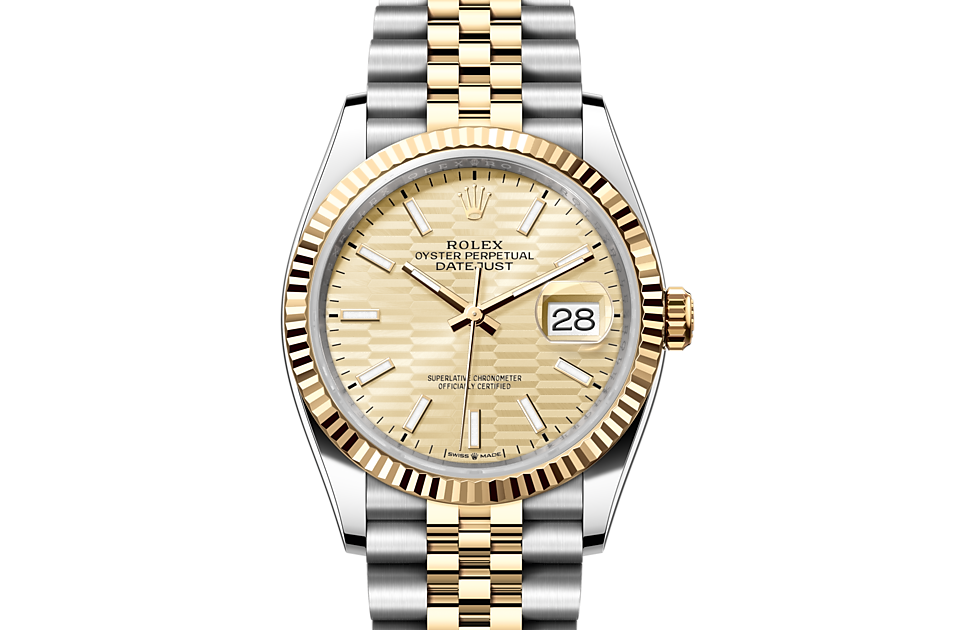
The name Rolex is synonymous with luxury, precision, and a high social standing across the globe. However, what truly sets this brand apart from other prestige watchmakers is not just clever marketing, but a unique combination of master engineering, timeless design, and unparalleled financial stability. A Rolex is more than just a tool for telling time; it is a masterpiece of mechanical art and one of the most secure tangible investments in the world.
QuEngineering Excellence and Materialality
One of the primary advantages of a Rolex is its uncompromising build quality. Unlike most luxury brands, Rolex uses a specialized, high-performance alloy known as 904L stainless steel, which they refer to as “Oystersteel.” This material is typically reserved for the aerospace and chemical industries because of its incredible resistance to corrosion and rust. When polished, it emits an exceptional sheen that is distinct to the brand. This durability ensures that a Rolex can withstand the harshest environments—from the depths of the ocean to the peaks of the Himalayas—and still function perfectly for generations.
Inside the case lies the heart of the watch: an in-house mechanical movement. Every Rolex is a Superlative Chronometer, meaning it has passed rigorous testing to ensure an accuracy of -2/+2 seconds per day. These movements are assembled by hand with obsessive attention to detail, making them the gold standard for reliability in the horological world.
A Philosophy of Timeless Design
Rolex’s success is deeply rooted in its “evolution, not revolution” design philosophy. While other brands chase fleeting trends, Rolex remains remarkably consistent. Iconic models like the Submariner, Daytona, and Datejust have maintained their core aesthetic for over half a century.
This consistency is vital for long-term value. Because a Rolex from forty years ago looks nearly as modern and relevant as one purchased today, these watches never go out of style. They are incredibly versatile, transitioning seamlessly from a formal boardroom setting to a casual weekend on a yacht. For a collector, this means their timepiece will never be considered “dated,” but rather “vintage” and “classic.”
Financial Value and Investment Potential
Perhaps the most significant factor that separates Rolex from other luxury goods is its resale value. Most luxury items, such as high-end cars, lose a significant portion of their value the moment they leave the showroom. Rolex is the rare exception. Due to strictly controlled production and immense global demand, many Rolex models actually appreciate in value over time.
In the “Rolex economy,” stainless steel sports models often command prices on the secondary market that far exceed their original retail price. For many, buying a Rolex is seen as a “safe haven” for capital. During times of inflation or economic volatility, high-end watches have historically proven to be a stable asset. Furthermore, a Rolex is a highly liquid asset; it is a universal currency that can be appraised and sold in almost any city in the world within hours.
Conclusion
Ultimately, the value of a Rolex is found in the feeling it provides its wearer. It is a badge of achievement, a reward for discipline, and a symbol of success. By investing in a Rolex, you are acquiring a piece of history, a pinnacle of engineering, and a guarantee that your asset will remain prestigious for decades to come. It is a brand that has successfully merged art with mechanics, ensuring that its value only grows stronger with time.