
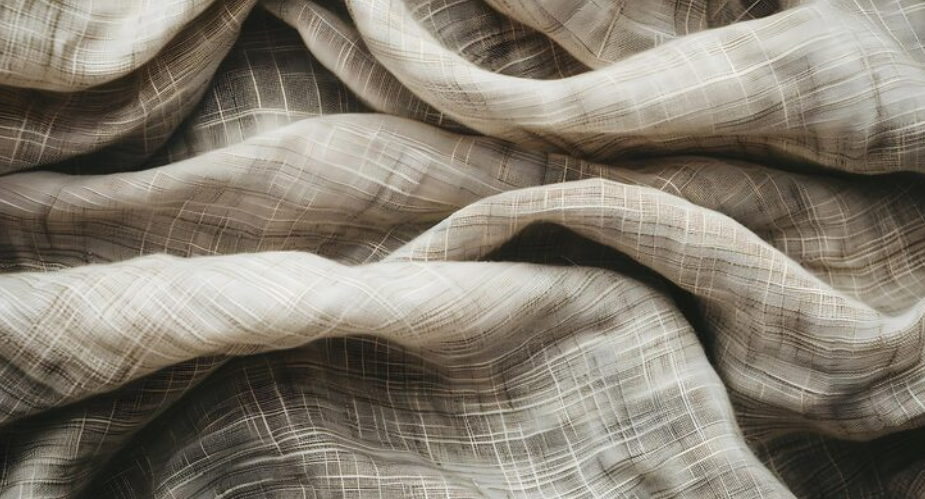
Choosing the right fabric for your home can make a big difference in comfort, style, and durability. French linen is a popular choice for homeowners who want a natural, elegant, and comfortable material. It is commonly used for bedsheets, curtains, pillowcases, tablecloths, and other home accessories. However, not all linen products offer the same quality. Understanding a few important factors can help you select French linen that suits your needs and provides long-lasting value.
Understand the Quality of French Linen
The first step in choosing high-quality French linen is understanding where and how the fabric is made. Genuine French linen is produced from flax plants, which are known for their strong and natural fibres. The quality of these fibres affects the fabric’s softness, strength, and overall appearance.
Look for French linen made from carefully processed flax fibres. Good-quality linen should feel comfortable while maintaining its natural texture. It should also have a balanced weave that does not look too loose or uneven. Checking the product description and manufacturer information can help you understand the fabric’s origin and quality.
Check the Fabric’s Texture and Feel
The texture of French linen is another important factor to consider. High-quality linen usually has a natural, slightly textured surface that becomes softer with regular washing and use. It may feel a little firm when new, but it should not feel rough or uncomfortable.
When shopping for French linen, pay attention to how the fabric feels against your skin. If possible, touch a sample before purchasing. A comfortable texture is especially important for bedding, pillowcases, and other items that come into direct contact with your body. Choosing a suitable fabric will help create a relaxing and pleasant home environment.
Consider Linen Weight and Weave
Fabric weight can influence how French linen looks and performs in different areas of your home. Lightweight linen is suitable for curtains and decorative accessories because it allows natural light to pass through while creating a soft appearance. Medium-weight linen works well for bedsheets and pillowcases, while heavier options are useful for tablecloths and upholstery.
The weave also plays an important role in durability. A consistent weave helps the fabric maintain its structure and appearance over time. Before purchasing, consider where you plan to use French linen and choose a weight that matches the purpose.
Choose Colours That Match Your Interior
French linen is available in many colours, including white, beige, grey, and soft natural shades. These colours can create a calm and welcoming atmosphere in different rooms. Neutral shades are particularly useful because they complement various interior design styles.
When selecting a colour, consider your existing furniture, wall colours, and decorations. Natural shades can create a timeless appearance, while deeper colours can add character to a room. Choosing suitable colours will help French linen blend beautifully with your home décor.
Look for Easy Care and Durability
High-quality French linen should be strong enough to handle regular use. Check the manufacturer’s washing and care instructions before buying. Proper care helps maintain the fabric’s softness, colour, and natural appearance.
Linen is generally breathable and becomes softer over time. Following recommended washing instructions and avoiding harsh cleaning products can help extend its lifespan. Selecting durable French linen also means you can enjoy its comfort and appearance for many years.
Conclusion
Choosing high-quality French linen requires attention to fabric origin, texture, weight, weave, colour, and durability. By considering these factors, you can find linen products that offer comfort, beauty, and long-term value. Whether you are updating your bedroom or decorating your living space, French linen can be a practical and elegant addition to your home.