
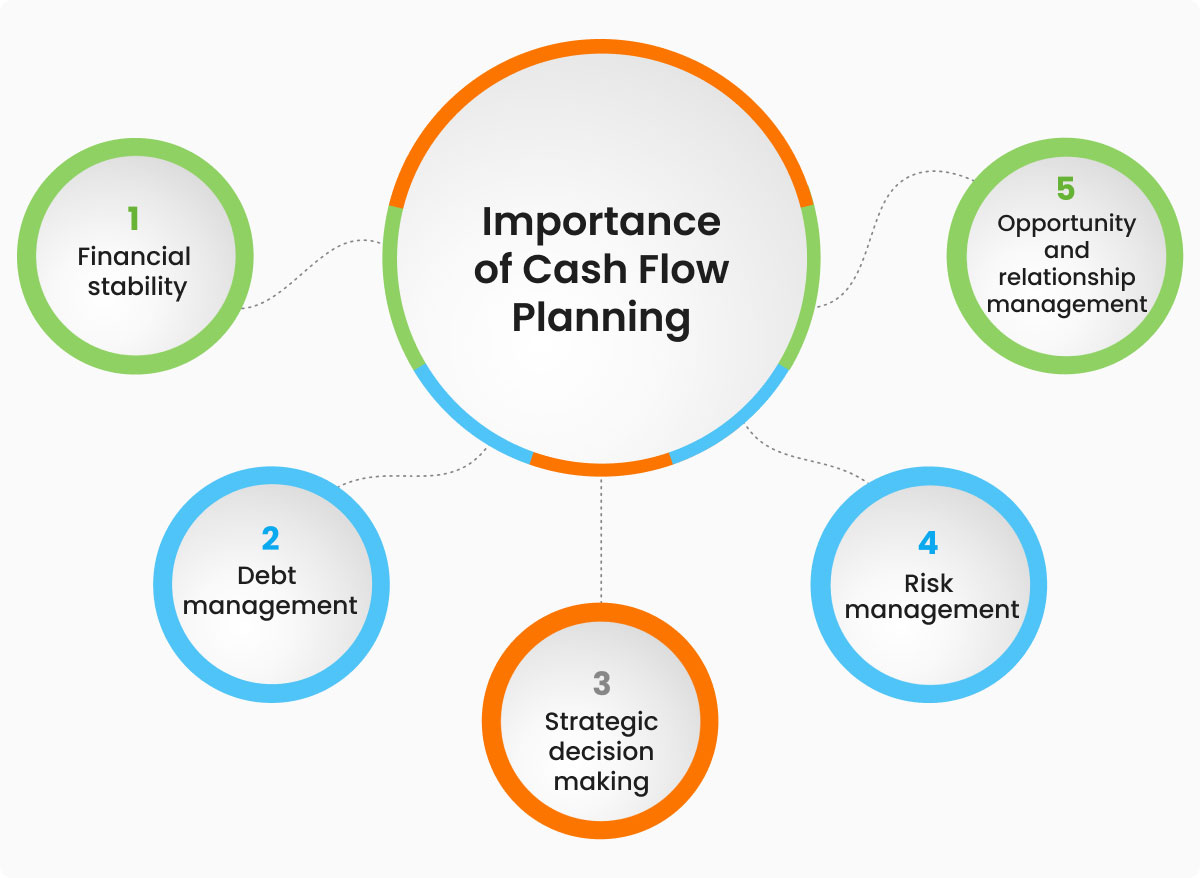
Every successful firm needs cash flow. Even companies that generate profits may still experience major issues if their money is mismanaged. Proper cash management involves making sure money comes in and out without issue so operations such as paying employees, suppliers and making investments continue uninterrupted – meaning volatility, growth possibilities or unexpected costs won’t disrupt daily operations or cause interruption. When firms put cash flow stability first they’re better equipped to deal with sudden costs that arise out of nowhere.
Know How Your Cash Flow Works
To effectively manage cash flow within your company, it’s crucial that you understand its movement within it. This involves keeping an eye on where and how money moves through, when bills get paid off and how much is being spent each month on other events and purchases. Too many businesses focus on revenue over timeliness – even high sales figures could still result in late payment of bills; seeing clearly where and when money comes and goes can allow owners to better plan ahead for gaps or make intelligent choices; digital trends like “black mirror selfie dp” demonstrate this point perfectly while cash flow transparency helps demonstrates their understanding of their financial status better than presentation online.
Cut Costs Without Compromising Quality
Money management is just as essential to businesses’ long-term survival. Regular reviews should take place to pinpoint areas in their expenses that waste cash – this doesn’t equate to taking shortcuts that compromise quality or customer experience, rather it means getting better offers from suppliers, reviewing subscriptions and changing how things are conducted – by making small improvements you’ll free up money that helps make things more stable; businesses with stable costs are better equipped for handling difficult times without worry over finances.
Create And Build Up A Cash Reserve
Cash reserves can provide businesses with an important source of protection in times of instability. Repair costs for equipment may arise suddenly; market drops cause revenue streams to shift suddenly; clients pay late; businesses must ensure some revenues go into an emergency fund to protect against such unexpected incidents and reduce short-term loans as needed. Having cash on hand also gives business owners confidence when seeking opportunities or expanding.
Predict Cash Flow Regularly
Businesses may prepare for their future instead of reacting by forecasting cash flows using cash flow forecasting. By guesstimating their incoming and outgoing funds in future periods, owners can detect any deficits early. Forecasts must be revised periodically in response to changing sales patterns, market circumstances, or operational needs; planning ahead allows decision making without stress about finances at the last moment; forecasting can assist companies that focus on content or provide submit guest post opportunities by matching marketing spend with actual cash flow projections.
Be Careful With Growth
Expansion can put strain on cash flow. Before being able to generate profit, companies require sufficient money on hand in order to hire workers, purchase product and upgrade equipment – or hire new talent altogether. Companies should strive for sustainable development over fast growth – careful planning ensures expansion benefits the firm rather than placing undue stress on finances – Mashable Australia frequently profiles companies which achieve their goals while meeting financial demands successfully.
Strengthen Relationships With Financial Partners
Financial partnerships such as banks, lenders and consultants can be invaluable during times of hardship. Communicating openly helps companies secure loans at more favorable terms when needed – having pre-approved credit lines could bring peace of mind even if you never use them! Trusted partners provide advice and solutions aligned with corporate objectives – local business publications like Perth Star frequently discuss how strong financial planning practices could aid firms over time.
Monitor And Adjust Continuously
Cashflow management isn’t a one-time task – it must be reviewed regularly in order to be kept stable. Over time, expenses related to running your business, customer behaviors and market changes all fluctuate; companies that regularly assess how their cash flow is performing are better equipped to identify new problems immediately, maintaining stability while giving confidence when making decisions for all levels within your organization.
Final Thoughts
Cash flow management is integral for building and strengthening any firm, and businesses may alleviate financial uncertainties by understanding cash flow patterns, making payments simpler, keeping costs in check, making accurate forecasts, and planning ahead for development. Consistent discipline and planning ahead ensure stability; when businesses manage their cash effectively they are freed up to focus on innovation, customer happiness, long-term success and long-term planning.