
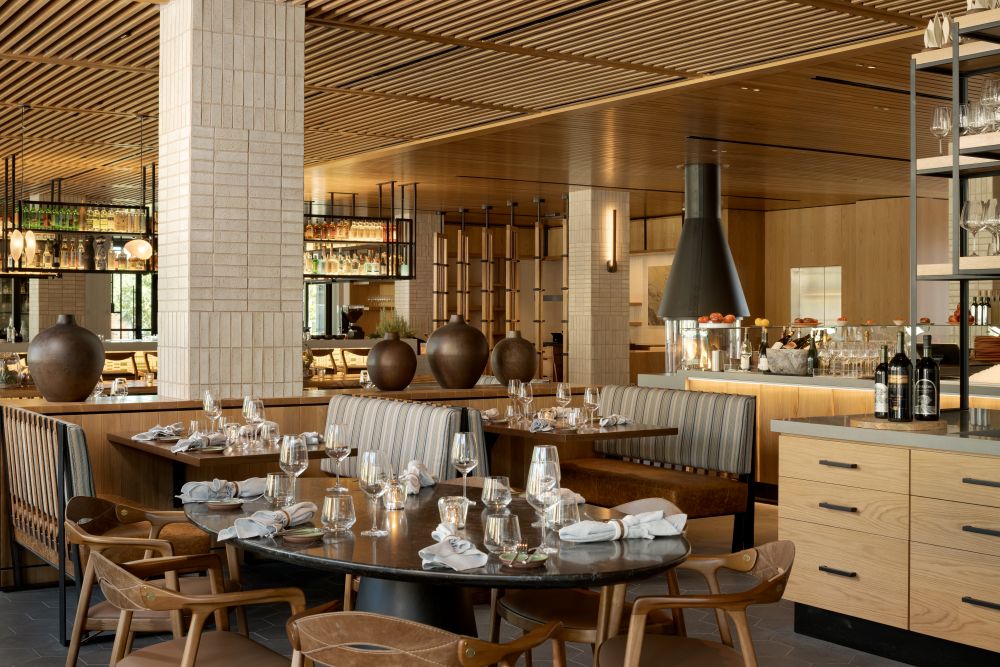
In today’s experience-driven hospitality landscape, music paired dining events are redefining how guests engage with food, sound, and atmosphere. Rather than treating dining as a purely culinary activity, leading innovators like Echo Taste and Sound are transforming it into a multi-sensory journey where flavor, rhythm, and emotion are carefully orchestrated together. These music paired dining events combine curated soundscapes with chef-designed tasting menus to create a synchronized experience that enhances perception, memory, and emotional connection.
As consumers increasingly seek immersive and shareable experiences, restaurants and event curators are turning toward sensory design strategies that elevate engagement. Music is no longer background noise it is an intentional ingredient that shapes taste perception, mood, and overall satisfaction. This shift marks a major evolution in experiential dining and opens new opportunities for hospitality brands aiming to stand out in a competitive market.
The Concept Behind Music Paired Dining Events
At its core, music paired dining events are built on the principle of sensory synchronization. Just as wine pairing enhances flavor profiles, sound pairing enhances emotional and perceptual responses to food.
These events typically involve:
- A curated multi-course tasting menu
- Custom-designed soundtracks for each course
- Real-time synchronization between music transitions and dish presentation
- Thematic storytelling through sound and cuisine
The goal is not simply to entertain, but to deepen the diner’s connection to flavor, memory, and mood.
Why Music Changes the Way We Taste Food
Scientific research in sensory psychology has shown that sound directly influences taste perception. High-frequency sounds can enhance sweetness, while lower tones may intensify bitterness or umami. This means that music paired dining events are not just artistic they are grounded in cognitive science.
Key sensory effects include:
- Taste modulation: Music alters perceived sweetness, acidity, and bitterness
- Emotional amplification: Soundtracks influence mood and dining satisfaction
- Memory enhancement: Multi-sensory stimuli improve recall of dining experiences
- Pacing control: Music tempo subtly influences eating speed and engagement
By carefully designing the auditory environment, chefs and sound designers can guide how guests experience each bite.
Designing the Perfect Music Paired Dining Experience
Creating successful music paired dining events requires collaboration between chefs, sound designers, and experience curators. Each element must work in harmony to avoid sensory conflict and maximize immersion.
1. Culinary Storytelling
Every dish should contribute to a narrative. Instead of isolated courses, menus are designed as chapters in a story beginning, climax, and resolution.
2. Sonic Architecture
Sound design is tailored to match each course:
- Light ambient tones for appetizers
- Rich, layered compositions for main courses
- Minimalist or airy soundscapes for desserts
3. Spatial Sound Engineering
Modern events often use spatial audio to immerse guests fully. Directional sound can create the feeling of movement, depth, and emotional progression throughout the meal.
4. Timing Precision
The success of music paired dining events depends on synchronization. A dish arriving even 30 seconds off cue can break immersion, making timing a critical operational factor.
The Psychology of Multi-Sensory Dining
Humans do not experience taste in isolation. Instead, the brain integrates sensory inputs into a unified perception. This is why music paired dining events are so powerful they engage multiple sensory channels simultaneously.
Psychological benefits include:
- Increased perceived food quality
- Stronger emotional engagement
- Heightened sense of novelty and exclusivity
- Reduced distraction, improved mindfulness during eating
When sound and flavor are aligned, guests often report that dishes taste more complex and memorable.
Business Value of Music Paired Dining Events
From a hospitality and branding perspective, music paired dining events offer significant commercial advantages.
1. Premium Pricing Opportunities
Experiential dining allows venues to charge higher ticket prices due to perceived value and exclusivity.
2. Brand Differentiation
Restaurants and event brands can stand out in saturated markets by offering something beyond traditional dining.
3. Social Media Virality
Highly sensory and visually/auditorily unique experiences are more likely to be shared on social platforms, driving organic marketing.
4. Customer Loyalty
Guests who experience emotionally engaging events are more likely to return and recommend the experience.
Key Elements That Make Events Successful
Not all music paired dining events deliver the same impact. The most successful ones share several core traits:
- Strong thematic cohesion between food and music
- High-quality sound engineering and acoustics
- Thoughtful pacing of courses and transitions
- Trained staff who understand the sensory concept
- A focus on emotional storytelling rather than novelty alone
Without these elements, the experience risks feeling disjointed or gimmicky.
Common Mistakes to Avoid
Even well-intentioned music paired dining events can fall short if poorly executed. Common pitfalls include:
- Overly loud music that overwhelms conversation
- Mismatched themes between cuisine and soundtrack
- Lack of progression in the dining narrative
- Ignoring acoustics of the venue space
- Overcomplicating menus with too many sensory elements
Simplicity and intentionality are more effective than sensory overload.
The Future of Music Paired Dining Events in 2026 and Beyond
As technology continues to evolve, music paired dining events are expected to become even more immersive. Innovations in AI-generated music, adaptive soundscapes, and biometric feedback will allow real-time customization of dining experiences.
Emerging trends include:
- AI-curated soundtracks based on guest mood
- Personalized sensory dining experiences
- Integration of AR/VR for hybrid dining environments
- Data-driven menu and sound optimization
- Expansion into wellness-focused dining experiences
These advancements suggest that experiential dining will move toward fully adaptive environments where every element responds to the guest in real time.
How Echo Taste and Sound Elevates Experiential Dining
Echo Taste and Sound is positioned at the forefront of this movement, focusing on the seamless integration of culinary artistry and sound design. By specializing in music paired dining events, the brand creates immersive environments where guests do not just eat they experience a carefully crafted sensory journey.
Each event is designed with precision, from the composition of soundscapes to the sequencing of dishes, ensuring that every moment contributes to a cohesive narrative. This approach reflects a deeper philosophy: dining is not just consumption, but connection.
Actionable Tips for Hosting Your Own Music Paired Dining Event
If you are considering developing music paired dining events, here are practical steps to begin:
- Define a central theme (seasonal, cultural, emotional, or narrative-driven)
- Collaborate with both chefs and music designers early in planning
- Test sound levels in the actual venue before finalizing design
- Align menu pacing with musical transitions
- Gather guest feedback to refine future events
Start small, refine the experience, and scale once consistency is achieved.
The Power of Music Paired Dining Events
The future of dining lies in experiences that engage more than just taste. Music paired dining events represent a powerful fusion of culinary craftsmanship and sensory science, offering guests unforgettable moments that resonate emotionally and culturally.
For brands like Echo Taste and Sound, this approach is more than a trend it is a new standard for experiential hospitality. As guests continue to seek deeper, more meaningful interactions with food and environment, the integration of sound and cuisine will remain a defining force in the evolution of modern dining.
Whether you are a restaurateur, event curator, or culinary innovator, embracing music paired dining events opens the door to richer storytelling, stronger customer engagement, and a truly immersive future in hospitality.